Have you ever been chatting with someone and they suddenly replied with “word”? You may have stopped for a second and wondered what it meant.
Many people see this slang on WhatsApp, Instagram, Snapchat, TikTok, or in text messages. At first, it can look confusing because “word” is already a common English word. But in slang, it has a different meaning.
That is why many people search for “word slang meaning in text.” They want to know what the sender is trying to say and how to reply correctly.
The good news is that the meaning is simple. Once you understand it, you will see it everywhere in online conversations.
What Does “Word” Mean in Text?
In slang, “word” means I agree, that’s true, or I understand what you’re saying.
People use it to show support, agreement, or approval in a conversation.
Full Form of “Word”
“Word” does not have a full form.
It is a slang expression that has been used for many years, especially in casual conversations and urban slang.
How Is “Word” Used in Chat?
Here are some common examples:
Example 1
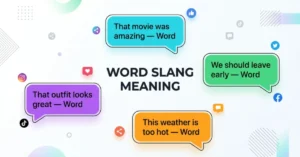
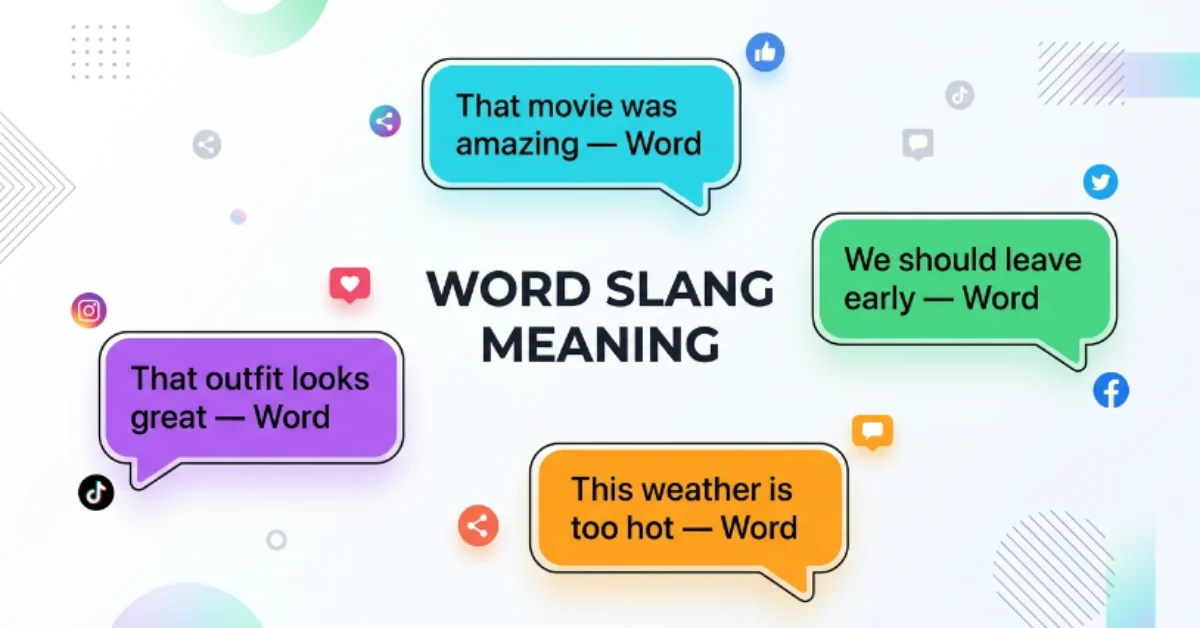
Friend: That movie was amazing.
You: Word.
Example 2
Friend: We should leave early tomorrow.
You: Word. Good idea.
Example 3
Friend: This weather is too hot.
You: Word. I can’t wait for winter.
What Does “Word” Mean From a Girl / Boy?
The meaning is usually the same whether it comes from a girl or a boy.
It often shows:
- Agreement
- Understanding
- Support
- Casual friendliness
Sometimes it can also show excitement if the person strongly agrees with what was said.
For example:
Girl: That outfit looks great on you.
Boy: Word. I like it too.
The tone is usually friendly and relaxed.
Is “Word” Rude or Polite?
“Word” is generally polite and friendly.
It is often used between friends, classmates, coworkers, or people who know each other well.
However, it can sound too casual in formal situations.
For example, replying “word” to your boss or teacher may seem unprofessional.
When Should You Use “Word”?
- When you agree with someone
- When you think a statement is true
- When chatting with friends
- During casual text conversations
- On social media comments and messages
When Should You NOT Use “Word”?
- In job interviews
- In professional emails
- During formal meetings
- When talking to clients
- In serious or official communication
Best Replies to “Word”
Here are some simple replies:
- Exactly.
- I know, right?
- Glad you agree.
- That’s true.
- For sure.
“Word” Meaning on WhatsApp, Instagram, Snapchat
The meaning of “word” stays mostly the same across platforms.
On WhatsApp
People use it to show agreement during chats.
On Instagram
It may appear in comments or direct messages to support a statement.
On Snapchat
Friends often use it as a quick reply meaning “true” or “I agree.”
No matter the platform, the main idea is usually agreement or approval.
Similar Slang Words Like “Word”
Facts
Used when something is true or correct.
Bet
Means okay, agreed, or sounds good.
True
A direct way to show agreement.
For Real
Used when something is genuine or truthful.
Exactly
Shows strong agreement with a statement.
FAQs
Is “word” positive or negative?
It is usually positive because it shows agreement.
Is “word” common in daily chat?
Yes. Many people use it in casual conversations.
Is “word” rude?
No. It is generally friendly and respectful.
Can I use “word” with elders?
You can, but it may sound too casual depending on the situation.
Does “word” mean yes?
Sometimes. It often works like saying “yes” or “I agree.”
Is “word” still popular?
Yes. It is still commonly used in texting and social media.
Conclusion
The slang term “word” is a simple way to say “I agree,” “that’s true,” or “I understand.” It is commonly used in text messages, WhatsApp chats, Instagram comments, Snapchat conversations, and other social media platforms.
Now that you know the meaning, you can easily understand when people use it and reply naturally in conversations.
If you enjoy learning internet slang, check out other slang meanings to keep up with modern online language.

Toni Morrison is a celebrated author and language advocate at topsimiles, where she brings words to life with clarity, creativity, and depth.
With a focus on expressive writing and memorable language, Toni inspires readers to explore the power of words and master English in an engaging way.